Friday, May 2, 2014

MULLEIN: One of My Top 10 Herbs

If someone said to me: Zakiyyah, if you were stranded on a deserted island, what top 10 herbs/food would you take?

Mullein would be amongst them, and here's why . . . . 


Monday, April 28, 2014

MONDAY MORNING WISDOM: When You Can Live in Peace . . . and things that make you go "......Ummmm"


JOIN US IN THE PRESENT!!! WE NEED YOU!!!

Great Sources of OMEGA-3 FATTY ACIDS


Omega-3 Fatty Acids - the Richest Sources from WHFoods

No type of fat has been getting more recent publicity than omega-3s. However, much of the omega-3 publicity you've heard has probably been focused on dietary supplements rather than food. At the World's Healthiest Foods, I want to provide you with a fresh look at omega-3s from the perspective of food and the best ways to balance your meal plan for strong omega-3 support.

Getting omega-3s from foods is a bit more complex than other nutrients as they come in different forms, and some are simpler than others. The simplest is called alpha-linolenic acid, or ALA. Like most vitamins, ALA is especially important in our diet because our bodies cannot make it from scratch. Either we consume it, or we don't have enough. Fortunately for us, many commonly eaten plant and animal foods contain ALA.

For other omega-3s, this all-or-nothing scenario is not the case. Under the right circumstances, our bodies can usually take ALA and transform it into other omega-3s. These other omega-3s are more complicated. The best studied are EPA (eicosapentaenoic acid) and DHA (docosahexaenoic acid). In a large number of research studies, there are clear health benefits provided by EPA and DHA that are not provided by ALA. These health benefits involve support of many body systems and decreased risk of many chronic diseases.

Omega-3 fatty acids are a group of polyunsaturated fats found in a wide variety of foods, most famously in fish such as salmon. Of the non-animal sources two of the World's Healthiest Foods, flaxseeds and walnuts, rate as excellent sources. Sardines, salmon, Brussels sprouts, cauliflower and mustard seeds are rated as "very good." 19 other foods are "good" sources. This should give you plenty of choices to make sure your diet contains a variety of sources of these important fats.


There is no question that our bodies need the different forms of omega-3s — ALA, EPA and DHA — to stay healthy, and we need to consume ALA-containing foods no matter what because our bodies lack the ability to make ALA. But what about EPA and DHA? Are we absolutely required to eat foods containing EPA and DHA? 

For an answer to this question, click on the following link to learn much more about the Health Benefits of Omega-3 Fatty Acids and the Best Sources from the World's Healthiest Foods.

World's Healthiest Foods rich in
omega-3 fats
FoodCalsDRI/DV

 Flax Seeds75132.9%

 Walnuts196113.3%

 Sardines18960.8%

 Salmon15855%

 Soybeans29842.9%

 Tofu16427.5%

 Shrimp13514.1%


 Cauliflower298.7%

 Winter Squash767.9%


For serving size for specific foods see the Nutrient Rating Chart.

Basic Description

No type of fat has been getting more recent publicity than omega-3s, and you're very likely to have seen TV ads or heard radio infomercials about this unique type of fat. However, much of the omega-3 publicity you've heard has probably been focused on dietary supplements rather than food. In this profile, we'll provide you with a fresh look at omega-3s from the perspective of food and the best ways to balance your meal plan for strong omega-3 support.

Omega-3s belong to a broader group of fats called polyunsaturated fats. Sometimes you'll hear this group called "poly" fats. The specific members of this group are called polyunsaturated fatty acids, or PUFAs. What's most important about PUFAs—including omega-3s—is one special aspect of their chemical structure. They contain what are called "double bonds"—special connections that make them more flexible and interactive as fatty acids; they also make them more delicate and susceptible to damage. All PUFAs—including all omega-3s—contain at least two double bonds. But the position of the double bonds in omega-3s is unique and simply not found in other fats.

Some omega-3s are simpler than others. The simplest is called alpha-linolenic acid, or ALA. Like most vitamins, ALA is especially important in our diet because our bodies cannot make it from scratch. Either we consume it, or we don't have enough. Fortunately for us, many commonly eaten plant and animal foods contain ALA.

For other omega-3s, this all-or-nothing scenario is not the case. Under the right circumstances, our bodies can usually take ALA and transform it into other omega-3s. These other omega-3s are more complicated than ALA and contain more double bonds. The best studied are EPA (eicosapentaenoic acid) and DHA (docosahexaenoic acid). EPA has five double bonds and DHA has six. In a large number of research studies, there are clear health benefits provided by EPA and DHA that are not provided by ALA. These health benefits involve support of many body systems and decreased risk of many chronic diseases.

So without question, our bodies need ALA, EPA, and DHA to stay healthy, and we need to consume ALA-containing foods no matter what because our bodies lack the ability to make ALA. But what about EPA and DHA? Are we absolutely required to eat foods containing EPA and DHA?

The answer to that question is particularly important since it can affect our entire approach to eating. If we only need to eat ALA-containing foods—and can trust our bodies to make all of the EPA and DHA that we need—we become free to choose whatever type of diet we would like, including a strict vegan diet that contains no animal foods whatsoever (including no milk, no cheese, and no eggs). That's because a wide variety of plant foods contain small-to-moderate amounts of ALA. However, if we need to obtain EPA and DHA directly from food, we become much more restricted in our food choices. For example, if we are trying to implement a strict vegan diet with no animal foods whatsoever and want to obtain DHA from our diet, our choices would most likely be limited to sea plants (which can contain DHA) or some fermented foods (like fermented soy foods) which had been allowed to ferment with the help of specific fungi that were capable of producing DHA. The absence of DHA in land plants is the reason for these very limited options.

Let's take some other examples. If we wanted to consume a generally vegetarian diet while still allowing ourselves to consume some fish, we would be able to get EPA and DHA from our food since fish can be a rich source of EPA and DHA. Similarly, if we wanted to consume a generally vegetarian diet while still allowing ourselves to consume some cheese, yogurt, milk, or eggs, we could also figure out how to obtain sufficient amounts of EPA and DHA from our food since these foods can contain both EPA and DHA. Or if we chose to eat meat while avoiding all fish, it would still be possible for us to get our EPA and DHA since meats can contain both EPA and DHA. (Their EPA and DHA content require that the cattle to have eaten a healthy amount plants that contain omega-3s.) The table below summarizes some of these basic relationships between omega-3s and diet types.

Diet TypeALA Food SourcesEPA and DHA Food Sources
Veganmany plantssea plants; possibly land plant foods when fermented with the help of certain fungi
Generally vegetarian but including fishmany plants and most fisheggs, cheese, milk, and yogurt, especially when obtained from grass-fed animals but in varying amounts depending on additional factors; possibly land plant foods when fermented with the help of certain fungi
Generally vegetarian but including eggs, cheese, milk and yogurt (without fish, sea plants, or meat)many plants; eggs, cheese, milk, and yogurtmost fish; sea plants; possibly land plant foods when fermented with the help of certain fungi
Plant-eating and meat-eating (but without fish or sea plants)many plants; many meatsmany meats, especially when obtained from grass-fed animals, but in varying amounts, depending on additional factors; possibly land plant foods when fermented with the help of certain fungi

As you can see from the table above, our food choices can change quite dramatically if we are required to obtain EPA and DHA from our diet. But are we required to do so? Unfortunately, the answer to this question is not 100% clear from the research studies.

In principle, most healthy persons should be able to eat ALA-containing foods (like flaxseeds, walnuts, tofu, and spinach) and then rely on their bodies to convert ALA into EPA and DHA. Yet there is considerable scientific debate about our ability to get optimal amounts of EPA and DHA by relying exclusively on ALA-containing foods. That's because our body's ability to make EPA and DHA from ALA can become compromised under a variety of common circumstances.

For example, our body's ability to make EPA and DHA from ALA partly depends on the other types of fat that we eat. One of those other fat types is omega-6 fat. Omega-6 fats are more plentiful in foods than omega-3 fats. Because they are more plentiful, we often find ourselves consuming much more of them. Yet high consumption of omega-6 fats can directly reduce the amount of ALA that our body converts into EPA and DHA.

Or, to take another example: our body cannot do an effective job of converting ALA into EPA and DHA without a satisfactory supply of certain nutrients. These nutrients include vitamin B3, vitamin B6, vitamin C, and the minerals zinc and magnesium. If we are deficient in one or more of these nutrients, our bodies may not be able to provide us with optimal amounts of EPA and DHA, even when our ALA intake is sufficient.

Different people will want to use different dietary approaches to obtain their omega-3s. But based on a review of the research and on the chart information presented above, here are our basic recommendations:
  • If you choose to avoid all animal foods (including seafoods), we recommend a discussion with your healthcare practitioner to determine possible supplementation with omega-3s.
  • If you consume animal foods but avoid seafoods, we recommend extra care in selection of EPA- and DHA-containing animal foods. Animals that have consumed healthy amounts of omega-3s in their diet will be the most likely to contain EPA and DHA. As a general rule, these animals will have been raised in a natural setting throughout their lives and pasture-fed on a variety of grasses, legumes, and other plants.
  • If your diet includes fish, 2-3 servings per week is a good target level for bringing fish-based EPA and DHA into your meal plan.
Omega-3 fatty acids are a group of polyunsaturated fats found in a wide variety of foods, most famously in fish. Because of recent research suggesting potential cardiovascular prevention and other health benefits, omega-3 fatty acids are currently a hot topic in nutrition research.

Of the World's Healthiest Foods, two (flaxseeds and walnuts) rate as excellent sources. We rate five of our listed foods as very good sources of omega-3, and 19 as good sources. This should give you plenty of choices to make sure your diet contains good sources of these important fats.

Role in Health Support

ALA, EPA, and DHA all play important roles in support of our health. Yet these roles are somewhat different.

Alpha-linolenic acid (ALA)

A large amount of ALA is sometimes used strictly for energy purposes. Our bodies can take ALA and use it to produce energy for our cells. In some situations, most of the ALA that we consume will get used in this way. ALA is also the primary building block for EPA and DHA. It's difficult to overstate the importance of ALA in this regard. Our immune, inflammatory, cardiovascular, and nervous systems simply cannot function correctly without sufficient amounts of EPA and DHA. When we don't have enough ALA, we don't have enough EPA and DHA (unless we've eaten foods that contain them). So ALA has a critical role to play in the health of many body systems as the key building block for EPA and DHA. There are basically two important metabolic roles for dietary ALA. The first is the breakdown of ALA to be used as an energy source. As much as 85% of dietary ALA is broken down to be used as an energy source.

The other major role for ALA is to be elongated to the related omega-3 fats EPA and DHA. The efficiency of this process will be discussed in more detail below.

Eicosapentaenoic acid (EPA)

Proper function of our inflammatory system depends on the presence of messaging molecules called prostaglandins. Many of these prostaglandins are made directly from EPA. Equally important, most of the prostaglandins made from EPA tend to be anti-inflammatory in their effect. Therefore, your risk of excessive inflammation and inflammation-related disease can be lowered through consumption of foods rich in EPA.

Docosahexaenoic acid (DHA)

Proper function of our nervous system—including our brain—depends on the presence of DHA. DHA is particularly important to brain function. Our brain is 60% fat by weight, and DHA makes up an average of 15 to 20% of all fat in our brain. If we tie these two facts together, we arrive at the following conclusion: DHA accounts for 9-12% of our brain's total weight! Drops in brain DHA levels are known to associate with cognitive impairment or slower neurological development in children. Nervous system deficiencies of DHA have been associated with a wide variety of problems, including neurodegenerative diseases like Parkinson's disease; cognitive problems including reasoning ability in children; and severity of multiple sclerosis.

A Special Note about Omega-3s and Cardiovascular Support

Prevention of cardiovascular diseases is one of the best-studied and substantiated role for omega-3s in the diet. Especially strong is the research supporting EPA and DHA in lowering heart disease risk. There is less research on ALA and heart disease, but research in this area still shows the ability of ALA intake to decrease risk. Unfortunately, the research we see in this area continues to focus more on dietary supplements than food, and in the future, we hope to see a much stronger emphasis on omega-3s from food.
The most crucial role for omega-3 fatty acids in health is arguably in prevention of cardiovascular diseases like heart attack and stroke. Much of the research in this area looks specifically at total EPA + DHA intake from diet and/or supplements.
Although there is comparatively less research on the topic, ALA intakes are associated with lower risk of cardiovascular disease independently of the other omega-3 fats. Still, the beneficial effects of diets high in ALA are likely to be more modest than diets rich in EPA and DHA.

SOURCE: http://whfoods.org/genpage.php?tname=nutrient&dbid=84#nutrientinteractions


Share the benefits . . . don't forget to share this post with your friends 
and family . . . to share the knowledge.
www.herbsarenaturesmedicine.blogspot.com

Friday, April 25, 2014

SMILE Because you can: It Reduces Stresss


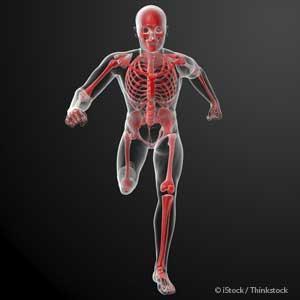
Your Bones Need More Than a Calcium Supplement

How Exercise Helps Strengthen Your Bones and Avoid Osteoporosis, Safely and Naturally


By Dr. Mercola
Bone weakening is a common problem associated with aging. In most people, sometime during your 30s, your bone mass will begin to gradually decline. For women, that bone loss can significantly speed up during the first 10 years after menopause.
This is the period when osteoporosis often develops, provided you're not doing anything to counteract it, that is. Those with osteoporosis are at increased risk of height loss, fractures of the hips, wrists, and vertebrae, and chronic pain.
Many are under the mistaken impression that a prescription drug combined with megadose calcium supplements is the answer to strong and healthy bones. Butbisphosphonate drugs like Fosamax, Actonel, or Boniva are associated with serious side effects—including an increased risk of bone fracture!
One important strategy for maintaining healthy bones is to eat the right kind of foods. A diet full of processed foods will produce biochemical and metabolic conditions in your body that will decrease your bone density, so avoiding processed foods is definitely the first step in the right direction.
Certain nutrients, including omega-3 fat, calcium, vitamin D, K2, and magnesium, are also critical for strong bones—as is exercise, especially weight-bearing exercises and Whole Body Vibrational Training using a Power Plate.

Exercise Naturally Builds Stronger Bones

Bone Health
Your bones are constantly being rebuilt in a dynamic process involving the removal of old
 bone through osteoclasts and regeneration of new, healthy bone by osteoblasts. Load-bearing exercise works to build stronger bones by stimulating cells responsible for the synthesis and mineralization of bone (osteoblasts).
Weight-bearing exercise is actually one of the most effective remedies against osteoporosis, because as you put more tension on your muscles it puts more pressure on your bones, which then respond by continuously creating fresh, new bone.
A good weight-bearing exercise to incorporate into your routine (depending on your current level of fitness, of course) is a walking lunge, as it helps build bone density in your hips, even without any additional weights. Running and jumping are also effective, as is weight training.1 As recently discussed in the New York Times:2
"Sprinting and hopping are the most obvious and well-studied examples of high-impact exercises. In one recent study,3 women ages 25 to 50 who leaped like fleas at least 10 times in a row, twice per day for four months, significantly increased the density of their hipbones.
In another, more elaborate experiment from 2006,4 women who hopped and also lifted weights improved the density of their spines by about two percent compared to a control group, especially if the weight training targeted both the upper body and the legs. Women whose weight training focused only on the legs did not gain as much density in their spines."

The Power Plate—A Valuable Tool for Prevention and Treatment of Brittle Bones

Mercola Power Plate acceleration training
Acceleration Training, a.k.a. Whole Body Vibrational Training (WBVT) using aPower 
Plate is another safe, natural way to improve bone strength and density, thereby warding off osteoporosis. Best of all, it's gentle enough even for the disabled and elderly, who may not be able to engage in exercises like leaping, hopping, sprinting, or weight lifting.
The Power Plate platform vibrates in three planes: vertical, horizontal, and sagittal, meaning front to back. (There is equipment out there that only moves in two planes but the three plane movement devices seem superior.)
These micro-accelerations force your muscles to accommodate, resulting in dramatic improvement in strength, power, flexibility, balance, tone, and leanness. Research supporting the use of WBVT for the prevention and treatment of brittle bones include but is not limited to the following:
  • In one six-month long study,5 published in 2004, WBVT was found to produce a significant increase in hip area bone density in postmenopausal women, while conventional training was only able to slow the rate of deterioration.
  • More recently, a 2013 study6 found that postmenopausal women who used a vibration platform for five minutes, three times a week for six months, increased their lumbar spine bone density by two percent. The control group, which did not engage in WBVT, lost about 0.5 percent of theirs in that same timeframe.

Your Bones Need More Than Just Calcium

Besides exercise, your diet can quite literally "make or break" your bones. But while conventional recommendations focus on boosting your calcium intake, there are compelling reasons to ignore such advice. Your bones are actually composed of at least a dozen different minerals, and if you focus on calcium alone, you actually run the risk of weakening your bones and increasing your risk of osteoporosis.
There's an excellent book called The Calcium Lie, written by Dr. Robert Thompson, that explains why this is so. Interestingly, Dr. Thompson proposes that one of the best practical alternatives in terms of supplementation is to use natural, unprocessed salts, such as Himalayan salt, as they are one of the best sources of a very wide variety of trace minerals.
Dr. Kate Rheaume-Bleue has also authored a comprehensive book on the topic of calcium, titled: Vitamin K2 and the Calcium Paradox: How a Little Known Vitamin Could Save Your Life. Six of the most important nutrients, and their ratios, you'll want to pay particular attention to are:
CalciumVitamin DVitamin K2
MagnesiumSodiumPotassium

In a nutshell, calcium, vitamin D, vitamin K2, and magnesium work synergistically together to promote strong, healthy bones, and your sodium to potassium ratio also plays an important role in maintaining your bone mass. Getting sufficient amounts of omega-3 fat is yet another factor for building healthy bone. I recommend krill oil, as I believe it's a superior source of omega-3s.
Vitamin K2 is a particularly critical component here, because the biological role of vitamin K2 is to help move calcium into the proper areas in your body, such as your bones and teeth. It also helps remove calcium from areas where it shouldn't be, such as in your arteries and soft tissues.
Paying attention to your vitamin K2 intake becomes even more important if you're taking large doses of oral vitamin D3, as your body will create more vitamin K2-dependent proteins when you take vitamin D. These K2-dependent proteins are what helps move the calcium around in your body, but you need vitamin K2 to activate those proteins. If they're not activated, the calcium in your body will not be properly distributed and can lead to weaker bones and hardened arteries—the exact opposite of what you're trying to achieve.
So, it's important to maintain the proper balance between all of these nutrients: calcium, vitamin D, and K2, and magnesium. Vitamin K2 deficiency is actually what produces the symptoms of vitamin D toxicity, which includes inappropriate calcification that can lead to hardening of your arteries. And if you have too much calcium and not enough magnesium, your muscles will tend to go into spasm. This has consequences for your heart in particular. An appropriate ratio of calcium to magnesium is thought to be 1:1.

Eat Your Way to Strong, Healthy Bones

Lack of balance between these four nutrients (calcium, vitamins D and K2, and magnesium) is why calcium supplements have become associated with increased risk of heart attack and stroke. One of the best ways to ensure you're getting enough of all of them is to get regular sun exposure to optimize your vitamin D levels, and to eat a diet rich in fresh, raw whole foods, which will also maximize a wide variety of other natural minerals. This way, your body will have the raw materials it needs to do what it was designed to do. Below are some suggestions for foods that provide these bone-building nutrients (with the exception of vitamin D):
  • Calcium: raw milk from pasture-raised cows, leafy green vegetables, the pith of citrus fruits, carob, and sesame seeds.Homemade bone broth is another excellent source. Simply simmer leftover bones over low heat for an entire day to extract the calcium from the bones. Make sure to add a few tablespoons of vinegar. You can use this broth for soups, stews, or drink it straight. The "skin" that forms on the top is the best part as it also contains other valuable nutrients, such as sulfur, along with healthful fats.
  • Magnesium: Industrial agriculture has massively depleted most soils of beneficial minerals like magnesium, so this is one instance where a supplement may be warranted, especially since most people are deficient. It is the only mineral that I personally supplement with. That said, if you find biologically-grown organic foods (grown on soil treated with mineral fertilizers), you may still be able to get a lot of your magnesium from your food.
  • Chlorophyll has a magnesium atom in its center, allowing the plant to utilize the energy from the sun. Seaweed and green leafy vegetables like spinach and Swiss chard can be excellent sources of magnesium, as are some beans, nuts, and seeds, like pumpkin, sunflower, and sesame seeds, and raw organic cacao. Avocados also contain magnesium. If you opt for a supplement, I recommend using magnesium threonate. It's a newer type of magnesium supplement with superior ability to penetrate the mitochondrial membrane.
  • Vitamin K2: Grass-fed organic animal products (i.e. eggs, butter, and dairy), goose liver pâté, certain cheeses such as Brie and Gouda (which provide about 75 mcg of K2 per ounce), and certain fermented foods. You can obtain most or all the K2 you'll need (about 200 micrograms) by eating 15 grams of natto daily, which is half an ounce. If you don't like natto, you can also get plenty of vitamin K2 from your fermented vegetables, provided you ferment your own using the proper starter culture. Please note that while vitamin K2 is produced by bacteria, not every strain of bacteria makes K2. For example, certain types of cheeses, such as those mentioned above, are very high in K2, and others are not. It really depends on the specific bacteria.
  • Trace minerals: Himalayan Crystal Salt, which contains all 84 elements found in your body, or other natural, unprocessed salt (NOT regular table salt!).

Mind Your Sodium-Potassium Levels as Well

Two additional nutrients that play an important role are sodium and potassium—you want the optimal ratio between these two in order to maintain your bone mass. If you eat a diet loaded with processed foods, there's a good chance your potassium to sodium ratio is far from optimal, as processed foods are notoriously low in potassium while being high in sodium. Consider this: our ancient ancestors got about 11,000 mg of potassium a day, and about 700 mg of sodium.7 This equates to a potassium-over-sodium factor of nearly 16. Compare that to today's modern diet where daily potassium consumption averages about 2,500 mg (the RDA is 4,700 mg/day), along with 4,000 mg of sodium.
An imbalanced sodium to potassium ratio can contribute to a number of diseases, including osteoporosis. To ensure you get these two important nutrients in more appropriate ratios, simply replace processed foods with whole, unprocessed foods, ideally organically grown to ensure optimal nutrient content. This type of diet will naturally provide much larger amounts of potassium in relation to sodium, which is optimal for your bone health, and your overall health. If you find it difficult to eat the recommended amount of vegetables, give vegetable juicing a try. I would not recommend taking a potassium supplement; rather it is best to get it in your foods, primarily vegetables.

You CAN Strengthen Your Bones Safely and Naturally

Maintaining strong healthy bones really is within your power. Brittle bones aren't necessarily a fate that has to befall you just because you're getting older. Proper diet, regular sun exposure, and weight bearing exercise can both prevent and treat weakening bones. Whole Body Vibrational Training using a Power Plate is an excellent choice especially for the elderly, but will naturally work for all ages. To sum up some of the most important points discussed above, the following guidelines can help you maintain, or increase your bone strength safely and naturally, without the use of drugs that might cause you even further harm:
  • Avoid processed foods and soda, which can increase bone damage by depleting your bones of calcium. By ditching processed foods, you're also automatically eliminating a major source of refined sugars and processed fructose, which drive insulin resistance. It will also provide you with a more appropriate potassium to sodium ratio, which is important for maintaining bone mass.
  • Increase your consumption of raw, fresh vegetables, ideally organic. If you find it difficult to eat the recommended amount of vegetables you need daily, you can try vegetable juicing.
  • Optimize your vitamin D levels, ideally from appropriate sun exposure or a safe tanning bed. Vitamin D builds your bone density by helping your body absorb calcium. If you use an oral supplement, make sure you're using vitamin D3 (not D2), and that you're also increasing your vitamin K2 intake.
  • Consider making your own fermented vegetables using a special vitamin K2-producing starter culture, or supplementing with vitamin K2 if you're not getting enough from food alone. Vitamin K2 serves as the biological "glue" that helps plug the calcium into your bone matrix. Also remember to balance your calcium and magnesium (1:1 ratio).
  • Maintain a healthy balance between omega-6 and omega-3 fats in your diet by taking a high-quality animal-based omega-3 supplement like krill oil, an reducing your consumption of processed omega-6, found in processed foods and vegetable oils.
  • Get regular exercise. Ideally, your fitness program should be comprehensive, providing the necessary weight-bearing activities for bone health while also improving your cardiovascular fitness and fat-burning capabilities with high-intensity exercises. For a more complete, in-depth explanation of my Peak Fitness regimen, please review my previous article, "The Major Exercise Mistake I Made for Over 30 Years." Implementing Peak Fitness -- with its array of weight-bearing exercises for bone health and Peak Exercises for disease prevention, fat loss, and more -- may be one of the best lifestyle changes you could ever make.

SOURCE: http://fitness.mercola.com/sites/fitness/archive/2014/04/25/exercise-bone-health.aspx?e_cid=20140425Z1_DNL_art_1&utm_source=dnl&utm_medium=email&utm_content=art1&utm_campaign=20140425Z1&et_cid=DM44915&et_rid=499493376 

Sunday, April 20, 2014

Catch-Me-If-You-Can April 27th in Harlem, NY

DON'T MISS THIS AWESOME PRODUCTION!!!

I'll be vending Ceremonial Sage, my herb products, 
chakra stones and gemstone jewelry next 
Sunday, April 27th at this Venue.

Displaying front.jpg

Displaying sunday copy.jpg

See you there!!!