Posts
Posts


Crystals
play an important role in keeping our organs and chakras balanced and
healthy. Here are healing relationships between herbs and gemstones
for the kidneys and bladder: to help relieve emotional fear, mental breakdown, depression, accidents, rape, divorce, suicidal thoughts; release anger and reduce stress and balancing sexual energies.
Herbs for
the kidneys and bladder: marshmallow, uva ursi, hydrangea, fu ling
and gravel root; Other herbs that strengthen the kidneys/bladder:
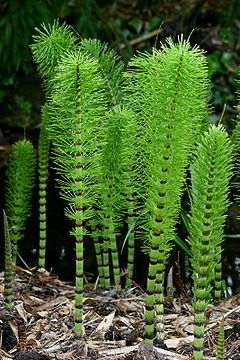
pipsissewa, parsley and horsetail.
PIPSISSEWA  Pipsissewa possesses tonic, astringent and diuretic properties and is primarily used in the form of an infusion to treat problems of the urinary tract: urethritis (inflammation of the urethra) and cystitis (inflammation of the urinary bladder), because this plant contains a chemical compound called hydroquinones, which is known to have a remarkable disinfecting effecting in the urinary tract. In addition, earlier herbalists also used to prescribe pipsissewa to treat more serious conditions, like kidney stones and gonorrhea (a contagious inflammation of the vagina and urethra). Pipsissewa helps to enhance the flow of urine and, thereby, encourages the elimination of fluid waste products from the body. In this way, the herb is also useful for treating conditoins like gout and rheumatism. You may also apply the fresh pipsissewa leaves topically to treat rheumatic joint and muscles, sores, blisters and swellings.
HYDRANGEA Herbal medicine of the West believes that the diuretic attribute of hydrangea is especially useful in treating gallbladder and kidney stones. In fact, it is believed that hydrangea not only promotes the expulsion of stones, but also aids in dissolving the stones that remain in the body. Hydrangea is also employed for treating several other health conditions that have an influence on the genitourinary system, counting urethritis, cystitis, prostatitis and prostate.
Pipsissewa possesses tonic, astringent and diuretic properties and is primarily used in the form of an infusion to treat problems of the urinary tract: urethritis (inflammation of the urethra) and cystitis (inflammation of the urinary bladder), because this plant contains a chemical compound called hydroquinones, which is known to have a remarkable disinfecting effecting in the urinary tract. In addition, earlier herbalists also used to prescribe pipsissewa to treat more serious conditions, like kidney stones and gonorrhea (a contagious inflammation of the vagina and urethra). Pipsissewa helps to enhance the flow of urine and, thereby, encourages the elimination of fluid waste products from the body. In this way, the herb is also useful for treating conditoins like gout and rheumatism. You may also apply the fresh pipsissewa leaves topically to treat rheumatic joint and muscles, sores, blisters and swellings.HYDRANGEA
Herbal medicine of the West believes that the diuretic attribute of hydrangea is especially useful in treating gallbladder and kidney stones. In fact, it is believed that hydrangea not only promotes the expulsion of stones, but also aids in dissolving the stones that remain in the body. Hydrangea is also employed for treating several other health conditions that have an influence on the genitourinary system, counting urethritis, cystitis, prostatitis and prostate.
Hydrangea possesses solvent attributes, which are not just restricted to expelling and dissolving gallbladder and kidney stones. In effect, this herb has also been employed to assist in dissolving bone spurs or muscle calcification. In addition, this herb apparently facilitates the body to restore calcium into the solutions in the system. Hydrangea also possesses anti-inflammatory properties owing to the presence of alkaloids that have an effect similar to that of cortisone. This is highly beneficial for treating infections as well as inflammations of the kidney, in addition to easing the symptoms of arthritis.
This herb also has a blood purifying effect and has been employed to crumble or disintegrate tumors and lumps. In addition, hydrangea enhances urine production owing to its diuretic action and possesses a gentle purgative impact. This is an extremely valuable remedy for the urinary tract and assists in correcting the other disparities of the urinary system, such as headaches due to kidney problems, dropsy and chronic rheumatism. Moreover, a number of herbalists also employ hydrangea in combination with other herbs to cure enlarged and inflamed prostate.
The root of hydrangea is an herbal tonic. In effect, tonic herbs have the aptitude to enliven as well as fortify particular organs, the whole body or the entire systems. In the instance of hydrangea root, its tonic attributes are specifically useful for the organs of the urinary tract, since this herb not only fortifies these organs, but also detoxifies them whenever necessary. Hydrangea is a mild herbal medication that has intense as well as enduring influences when it is used for a prolonged period of time. As the use of hydrangea root strengthens and makes the urinary tract system healthier, consequently the whole body gains vigor and strength.
MARSHMALLOW  is the best source of easily-digested vegetable mucilage, which aids the body's mucus in lubricating the joints to protect against irritation and dryness. Used with other diuretic herbal teas, marshmallow root will relieve kidney/gravel stones (with Gravel Root to treat water retention and joint pains) and aid in their smooth expulsion. It is a powerful anti-inflammatory and anti-irritant for the joints and gastrointestinal tract. Uva Ursi is a specific for kidney/bladder infections. Also used after birth to reduce hemorrhaging and help restore the womb to normal size (often used with Buchu Leaves). Hydrangea is a powerful cleanser of the urinary tract, and treats inflamed tissues of the urinary organs. Relieves backache from kidney trouble and chronic rheumatism. Fu Ling, one of the finest diruetics, rids the body of excess moisture and treats kidney weakness. It is nutritive and tonifying, and treats hyperactivity in children. Other herbs that strengthen the kidneys/bladder: pipsissewa, parsley and horsetail.
is the best source of easily-digested vegetable mucilage, which aids the body's mucus in lubricating the joints to protect against irritation and dryness. Used with other diuretic herbal teas, marshmallow root will relieve kidney/gravel stones (with Gravel Root to treat water retention and joint pains) and aid in their smooth expulsion. It is a powerful anti-inflammatory and anti-irritant for the joints and gastrointestinal tract. Uva Ursi is a specific for kidney/bladder infections. Also used after birth to reduce hemorrhaging and help restore the womb to normal size (often used with Buchu Leaves). Hydrangea is a powerful cleanser of the urinary tract, and treats inflamed tissues of the urinary organs. Relieves backache from kidney trouble and chronic rheumatism. Fu Ling, one of the finest diruetics, rids the body of excess moisture and treats kidney weakness. It is nutritive and tonifying, and treats hyperactivity in children. Other herbs that strengthen the kidneys/bladder: pipsissewa, parsley and horsetail.
Crystals
interact with the human energy field to heal, calm, stimulate or
adjust the energies within it to bring the body back into balance,
and holistically heals various body organs as it draws the celestial
energy into the physical plane.
Some gemstones for the kidneys and bladder: aquamarine, bloodstone, hematite, orange calcite and amber.
Some gemstones for the kidneys and bladder: aquamarine, bloodstone, hematite, orange calcite and amber.
AQUAMARINE  STONE OF COURAGE, CLEAR COMMUNICATION AND ILLUMINATION
Aquamarine, a stone of serenity, calms and soothes with its lovely blue/green color and evokes the calm of the water with its given name, which is interpreted as 'water of the sea' derived from Latin. A stone that celebrates the sea goddess of ancient times, it was carried by those who traveled on sea voyages to return safe and prosperous. A truly fascinating stone, it opens your intuition and awareness to the inner ocean of wisdom and creativity. By the 19th Century the popular and thus preferred color for Aquamarine was a sea green, yet in modern times the more popular color is a sky blue.
STONE OF COURAGE, CLEAR COMMUNICATION AND ILLUMINATIONAquamarine, a stone of serenity, calms and soothes with its lovely blue/green color and evokes the calm of the water with its given name, which is interpreted as 'water of the sea' derived from Latin. A stone that celebrates the sea goddess of ancient times, it was carried by those who traveled on sea voyages to return safe and prosperous. A truly fascinating stone, it opens your intuition and awareness to the inner ocean of wisdom and creativity. By the 19th Century the popular and thus preferred color for Aquamarine was a sea green, yet in modern times the more popular color is a sky blue.
Aquamarine stones are beautiful crystals that heighten courage... and aid clear communication with the Divine source of all that is. They have strong metaphysical properties that help you to let go of old emotional issues you may be holding on to. By assisting you to release anger and reduce stress... it may help you to make positive changes in your life. These lovely stones help to heighten your courage when you are handling grief, and are powerful to assist self healing.
BLOODSTONE  The healing properties of this stone include abundance and good fortune; alignment and smooth energy flow; generosity and idealism and purification and revitalization.
What makes bloodstone such a powerful healing stone, is its focus on revitalizing the entire system. Intuition and creativity are heightened, but is simultaneously protective and grounding. While your mind is calmed and revitalized, you are able to enjoy enhanced decision-making skills and its protective nature gives courage, while protecting you from danger.
Because bloodstone purifies and strengthens the blood, it is used for healing Leukemia, anemia, inflammation and infections. It is a potent detoxifier, making it helpful in cleansing the liver, intestines, kidneys, bladder and spleen. Since Blooodstone aids in circulation and blood flow, it stimulates the lymphatic and immune systems, while strengthening the heart.
ORANGE CALCITE is a stone that is particularly helpful mentally. It can relieve emotional fear, mental breakdown, depression, accidents, rape, divorce, suicidal thoughts. It is particularly helpful with phobias. Orange calcite restores mental and emotional equilibrium.
Orange calcite can also give a gentle boost to psychic abilities and intuition.
Physically, since orange calcite is associated with the second sacral chakra, it is helpful for the reproductive system, genitals, intestines, irritable bowel syndrome, kidneys, chronic fatigue, calcium intake and assimilation. It is also used for balancing sexual energies. Note that healing crystal meanings are spiritual supports to healing and are not prescriptions or healthcare information.
These herbs and crystals will heal and restore balance to the kidneys and bladder, and support blood flow, circulation and detoxify; and cleanse the lower chakras and realign their energies.
The healing properties of this stone include abundance and good fortune; alignment and smooth energy flow; generosity and idealism and purification and revitalization.What makes bloodstone such a powerful healing stone, is its focus on revitalizing the entire system. Intuition and creativity are heightened, but is simultaneously protective and grounding. While your mind is calmed and revitalized, you are able to enjoy enhanced decision-making skills and its protective nature gives courage, while protecting you from danger.
Because bloodstone purifies and strengthens the blood, it is used for healing Leukemia, anemia, inflammation and infections. It is a potent detoxifier, making it helpful in cleansing the liver, intestines, kidneys, bladder and spleen. Since Blooodstone aids in circulation and blood flow, it stimulates the lymphatic and immune systems, while strengthening the heart.
ORANGE CALCITE
is a stone that is particularly helpful mentally. It can relieve emotional fear, mental breakdown, depression, accidents, rape, divorce, suicidal thoughts. It is particularly helpful with phobias. Orange calcite restores mental and emotional equilibrium. Orange calcite can also give a gentle boost to psychic abilities and intuition.
Physically, since orange calcite is associated with the second sacral chakra, it is helpful for the reproductive system, genitals, intestines, irritable bowel syndrome, kidneys, chronic fatigue, calcium intake and assimilation. It is also used for balancing sexual energies. Note that healing crystal meanings are spiritual supports to healing and are not prescriptions or healthcare information.
These herbs and crystals will heal and restore balance to the kidneys and bladder, and support blood flow, circulation and detoxify; and cleanse the lower chakras and realign their energies.
Don't forget to subscribe (simply submit your email address above)
so you can have every Post delivered directly
so you can have every Post delivered directly
to your Inbox without ever missing one.
If you enjoyed this Post . . . don't forget to share it with your friends and family.
www.herbsarenaturesmedicine.blogspot.com

_Giorgio_Venturini.jpg)