Monday, August 25, 2014

Pssst . . . I couldn't wait until Tues morning to drink the Flat Tummy Water!!!

I started drinking it tonight (the Flat Tummy Drink) . . . IT IS DELICIOUS!!!

The ginger is a mild spark . . . the cucumber and lemon a totally balanced blend!!!  You can't taste either one independently.

And the mint is a sweet synergistic blend . . . almost like honey . . . but there is no sweetener . . . BUT IT IS DEFINITELY A VERY SWEET DRINK!!!

HOPE YOU ENJOY IT AS MUCH AS I DO!!!!

Talk to you Friday about "flat tummy" results.

Zakiyyah
"The Herbalist"


Flat Tummy Water


I'm gonna make it tonight . . . . 
I'll let you know the results come Friday!!!!


Improve Your Sex Life Naturally - 8 Vitamins and Herbs to Help

Don't forget to subscribe (simply submit your email address above)
 so you can have every Post delivered directly 
to your Inbox without ever missing one.


If you're reading this article, it probably means that you think making whoopie is a pleasurable experience and that you're interested in making it even better. Well, you've come to the right place. Because all of the sensations, desires, feelings, and even the dramatic curtain call can be improved using natural vitamins and herbs.


Though no vitamins or herbs are currently recognized by the FDA as a cure for any medical condition, many doctors cite substantial evidence that they do indeed work. (We are not suggesting, however, that the information below be used as medical advice or as that the herbs or vitamins listed below be used to treat illness; always check with your doctor before using any supplement in you have any medical condition or are ill or pregnant.) With that out of the way, read on—you are just a few hundred words away from better sex, naturally!


Best Vitamins and Herbs to Boost 

Sexual Health for Men and Women


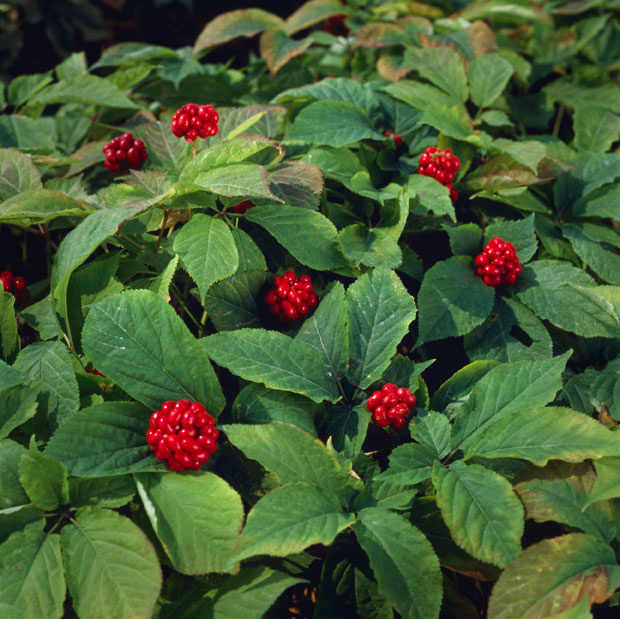
Ginseng
This plant, which grows in the arctic region, has shown great promise in boosting a couples mojo. Studied extensively at Columbia University, researchers have found evidence that the herb can enhance sexual desire, energy, performance, and orgasm in both men and women. Other studies suggest that the herb can also help some men prolong stamina. And for women, Rhodiala Rosea may counteract some of the unpleasant side effects of menopause. This herb is commonly found at any health store in tablet form and no side effects or prescription interactions have been reported.
Ginseng
Ginseng, which works in ways similar to Ginko Biloba (see below), increases blood flow through a man's lower extremities, but it has also shown promise in helping women boost their desire, performance, energy, and orgasm. This is most likely due to affecting the dopamine system, which is the complex system of the brain that researchers believe triggers sex drive. More than half of all men and women in studies with Ginseng report an improvement of "being in the mood" more often. In general, ginseng has been found to be perfectly safe for use, except in pregnant or breastfeeding women, because of its estrogen-like effects. The only other common effect from its use is producing excitability, but that's exactly what we're after here!

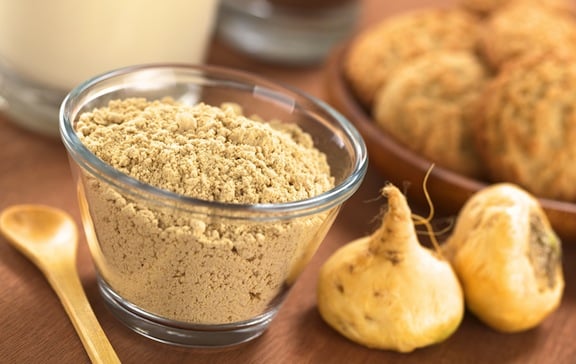
Maca (Peruvian Ginseng)

Better known as "Peruvian Ginseng," this herb grows in the high-altitude areas of Peru. The Incas have passed down the stories of the roots legendary powers for generations. Maca is known for improving lust and orgasm in both men and women, and for having a, shall we say, Viagra-like effect. Used to give ancient Peruvian warriors added strength in battle, it was also kept away from women while the warriors were away (perhaps for fear of what might transpire while they were gone?). This herb has shown fairly consistent findings in animals and humans to increase stamina and libido in both genders, as reported by Discovery Health. So far there have been no cases of toxicity in this herb, which makes it relatively safe to take by just about anyone.

Horny Goat Weed

Just as its name implies, horny goat weed is a leafy, high-altitude plant which has long been believed to, er, boost the libido. For men in particular, this herb is believed to play a role in the correction of erectile dysfunction, or ED. The problem with the herb is that it appears to be inconsistent in its commercial preparation, which means if you get a bad batch, it won't do what it is supposed to. This herb can be most easily digested in tea form and has no known side effects when taken in this fashion.

Kava

Kava has a highly researched and documented ability to calm the nerves and reduce stress in both men and women. One of the most common causes of poor libido and sexual dissatisfaction is anxiety, tension, and other stress-related issues caused by relationships, work, or even the thought of the sexual performance in itself. For many men, it only takes one time for their tool to fail them, and they won't be able to let that moment go in their mind. It will continue to effect them long after, causing them to develop what would appear to be a form of ED. The mind is a very powerful tool for improving health, but it can also be a factor in our own self-induced sexual dysfunctions if we let it. While Kava can help sexual dysfunction caused by self-induced mental issues, it will not show much, if any improvement, over an actual diagnosed case of ED. You may have heard of this supplements questionable legal status, but it is currently legal in most major countries, except for Canada and France, who just don't know what they're missing!

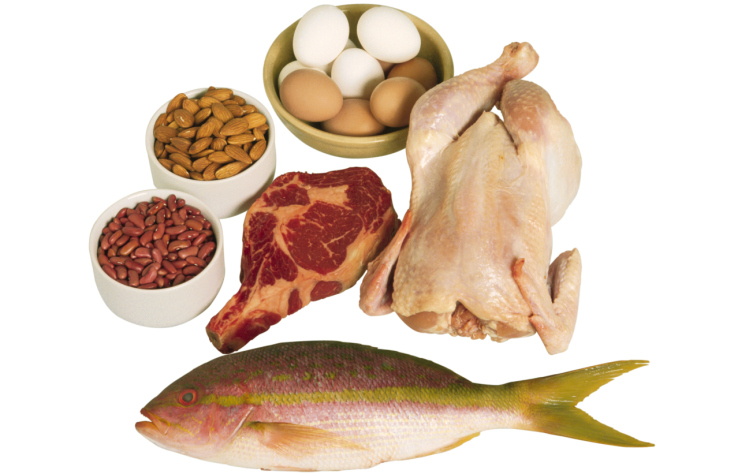
L-Arginine 


Is a chemical building block called and "amino acid." It is obtained from one's diet and is necessary for the body to make proteins. L-arginine is found in red meat, poultry, fish and dairy products.  It can also be made ina laboratory and used as medicine.

This amino acid has been called a Viagra substitute for men and women. It works in both sexes by boosting the amount of blood flow through those whoopee-making organs. The increased blood flow for the man will offer him a longer, stronger erection, while for the woman it can aid in heightened stimulation. Men can take L-Arginine in herbal pill form, while many women report the best results are achieved by applying a cream directly where it counts.

Vitamin E

Some like to call vitamin E the "sex vitamin." It gets this name for a couple of reasons. One, vitamin E has been said to aid in the production of sex hormones, which aids in attraction, desire, and mood. Two, it prevents age and disease, which of course indirectly boosts the longevity of anyone's sexual lifestyle. Some women prefer to use Vitamin E as a lubricant during sex to heighten their experience considerably. Always make sure that the Vitamin E will not reduce the effectiveness of a condom, if using one, as latex is prone to disintegrate with certain oil-based lubricants.

Best for Men Only

Many men know about the supposed boosting effects of Ginko Biloba in the bedroom, but initial studies recognized Ginko Biloba for its ability to improve circulation and memory in adults. If you take these same findings and apply them to the man with ED, we can see how the increased circulation could theoretically produce a stronger erection. The same chemical, nitric oxide, which is stimulated by the Ginko Biloba to relax the artery walls in the circulatory system, is also known to boost blood flow through the man's tofu dog. All technical scientific jargon aside, it basically works like Viagra. The most popular way to add this herb to your diet is through pill or caplet form.

Best for Women Only

DHEA, known by its full name as Dehydroepiandrosterone, may not exactly be a natural herb or vitamin, but it is a hormone naturally produced by the adrenal glands. DHEA, which can now be purchased directly over the counter, can be used by women experiencing age-related decreases in the hormone. It has been shown in studies to be a powerful tool in reestablishing sexual desire. A 50 mg dosage was recommended by the New England Journal of Medicine back in September of 1999. In some circles DHEA has even been called the equivalent of what Viagra should be for women. The use of this supplement should be discussed with your doctor before experimenting, as there is a slight possibility for risk of heart attack, breast cancer, and unwanted hair growth (it is a male hormone after all). So, if you want good sex using DHEA, you may have to put up with more shaving and spending increased amounts of time in the tool section at Sears!

Why Aren't the Health Benefits of These Supplements Listed on Labels?

The reason you will never find any of these claims on the bottle of one of these supplements, is that the FDA does not allow for non-prescription supplements to advertise health benefits. Why? One of the biggest problems with over the counter supplements is poor standardization and regulation, which basically refers to the fact that no two manufactures use the same method of extraction and potency level in their product. This is why it is always a good idea to research a manufacturer before choosing their product.

A Word on Your Safety

While there is evidence out there that suggests these supplements can help improve sexual function, they should not be used to self-medicate a problem that you should bring to your doctors attention. Keep in mind that while these supplements are "natural," they still interact with your body and can react with other prescription drugs. If in doubt of whether a particular supplement mentioned here is safe for you, discuss it with your doctor before trying it.
SOURCE: http://health.howstuffworks.com/sexual-health/sexuality/vitamins-herbs-sex-life.htm

If you enjoyed this Post . . . don't forget to share it with your friends and family.
www.herbsarenaturesmedicine.blogspot.com

Sunday, August 24, 2014

Fight Cancers NATURALLY by Alkalizing your Body

For those of you who have come to know me, you know I have been talking/teaching about the benefits of Alkaline water/diet for years.  There is even a page on my website (http://www.sacredhealing7.com/H2O__Alkaline_Flouride.html) that offers various choices to up your alkaline water intake.  Here is another article I think you might benefit from.

Don't forget to subscribe (simply submit your email address above)
 so you can have every Post delivered directly 
to your Inbox without ever missing one.


Have you recently heard people talking about being over-acidic, measuring their pH and eating alkalizing foods? Emphasizing the importance of body’s pH might seem like a new fashion, but the science and art of pH balancing has had a long tradition and, unlike some other trendy theories, it has successfully overcome the test of time.
How to Balance Your pH and Find Out If You’re Too Acidic
In terms of chemical understanding, pH is a measurement of hydrogen ion (H+) concentration in a solution. Solutions with low hydrogen concentrations have high pH values, and solutions with high hydrogen concentrations have low pH values. As you probably remember from school, the pH scale runs from 1 to 14, with 7 representing the pH of pure water – neutral. Above 7 is alkaline, below is acidic.
In optimal circumstances, your body should have a pH of between 7.0 and 7.4, so slightly alkaline. This refers to the pH of the body’s main fluids: blood, lymph and cerebrospinal fluid. The pH of the digestive system however, is a bit less uniform: the mouth, pharynx and esophagus are all slightly acidic with a pH of 6.8; the pH of the healthy stomach is 1.3 – extremely acidic; the pH of the small intestine resembles that of healthy bodily fluids; and in the colon it ranges between 5.5 and 7.
Why does pH matter?
In 1931, Dr. Otto Warburg won the Nobel Prize in physiology. He was the first to describe the correlation between the acidic environment and cancer cell growth. We know now that an acidic body is more susceptible to different diseases, includingarthritis, cancer, and cardiovascular diseases. What’s more, if your pH is out of balance, digestive problems can occur and your body can’t assimilate the goodness from food, which can make you feel constantly tired. Blood pressure, insulin levels and cholesterol, as well as body weight and immune system function, are all influenced by changes in pH levels.
As every one-point decrease on the pH scale means 10 times increased acidity, going from pH 7 to 5 makes your insides 100 times more acidic! This is not a good sign if you’re planning on living a long and healthy life. The bottom line is that you want to keep your body’s pH as close as possible to what nature intended it to be. Also, if you are aiming to cure a disease, you might want to start by looking at the pH of your body. When doing that, most people discover that they’re too acidic.
What causes pH imbalances?
The main culprits of over-acidity are improper diet (fast food, high consumption of sugars, animal products and processed foods), stress and lifestyle choices, for example sedentary life style. Interestingly, over-exercising, especially too much cardio workout, can lead to a drop in your pH levels as well, as it contributes to stress.
At first, the body tries to compensate and bring the pH back to its optimum levels. For example, minerals such as potassium, sodium, magnesium and calcium are taken from our vital organs and bones to counteract the acid. But this cannot go on indefinitely, and sooner or later the acidic environment starts to attract all sorts of ailments.
Testing your pH level
It might be a good idea to test your pH and find out where you stand. You can do this at home. All you need is litmus paper, which can be bought at a pharmacy or a health food store, and a bit of discipline.
You need to dip the litmus paper in your first morning urine. Collect a sample in a clean container and measure the pH level. Or, you can use saliva, one hour before a meal or two hours after eating. Make sure you obtain a clean sample, so before spitting on the litmus paper, collect saliva in your mouth and swallow it. You might find it useful to keep a diary over a period of time, so you can compare the values and get a medium value. The pH of your saliva should stay between 7 and 7.4 all day. The pH of morning urine is slightly more acidic and fluctuates between 6 and 6.5. If you are also measuring the evening urine, the value should be between 6.5 and 7.
Tips for alkalizing
Some methods for alkalizing your body are straightforward and focus on dietary and lifestyle changes, while others will require specialist support and guidance, such as the use of alkaline minerals. Cesium chloride, germanium, rubidium and other alkalizing minerals can be used to alkalize the body. Particularly cesium chloride and sodium bicarbonate therapies have received a lot of attention and have been reported to yield good results, the latter being somewhat easier to use. The Cancer Alternative Foundation, which has a mission of researching and verifying various alternative approaches to healing cancer, has established that alkalizing therapy is one of the most efficient alternative techniques for treating cancer, even in the later stages of the disease.
As for a diet that will help turn your body alkaline, it’s recommended to embrace a vegetarian, or even better a vegan diet(meat and dairy products have a very acidic effect on the body’s pH levels) and to eliminate refined sugars, alcohol and caffeine from your diet. Fresh fruits, vegetables, nuts and seeds are a preferred choice due to their alkalizing potential. A food’s natural pH level does not necessarily indicate the effect it will have on the body. For example, lemons and limes are known to have an alkaline effect on the body, despite their initial (citric) acidity, so squeeze some lemon in your water and drink before a meal. A very popular dietary supplement that also helps you alkalize your body is spirulina – an algae that can be consumed in powder form or in tablets. Some guidance may be required to establish which food and food combinations are optimal for you.
And of course, don’t forget to assess your stress levels. Sound sleep, exercise and regular relaxation can do wonders for the body and mind.
Happy alkalizing!
Chlorophyll, which is the green pigment present green plants, has also anti-inflammatory properties, as it also alkalizes the body.
SOURCE: http://www.healthyandnaturalworld.com/how-to-balance-your-ph/?utm_source=getresponse&utm_medium=email&utm_campaign=healthy_natural&utm_content=How+to+Balance+Your+pH+and+Find+Out+If+You%E2%80%99re+Too+Acidic+%28%2B+Loads+More+Health+Posts%29


If you enjoyed this Post . . . don't forget to share it with your friends and family.
www.herbsarenaturesmedicine.blogspot.com

Friday, August 22, 2014

FREE Monthly Holistic Marketplace where you can purchase Healing goods and services

Don't forget to subscribe (simply submit your email address above)  so you can have every Post delivered directly 
to your Inbox without ever missing one.

Please share this Post with your friends and family.
www.herbsarenaturesmedicine.blogspot.com


Thursday, August 21, 2014

Top 10 Foods to a FLATTER BELLY

Do you want to go from a FAT belly to a FLAT belly? Abdominal bloating or carrying unwanted weight around your midsection is often uncomfortable and embarrassing. To differentiate between the two, bloating is temporary abdominal distention that can be caused by a reaction to certain foods, lifestyle factors or a medical condition, such as liver or heart disease. Belly bloat is really intestinal gas, not excess fat. However, if you are overweight and want to flatten your belly for the long term, the only solution is to lose weight. Whether it’s gas or excess weight causing you tummy trouble, what you choose to put on your fork can help or hinder your goal of getting a flat belly. Read on to learn about 10 flat-belly foods to get you those lean abs you crave.

Fennel Seeds ~ 

Fennel is a pleasant-smelling herb with yellow flowers and feathery leaves. The name comes from the Roman word meaning “fragrant hay,” and it has a faint anise or licorice flavor and aroma. Dried fennel seeds are very nutritious, containing fiber, magnesium, calcium and iron, and they have long 
been used as a digestive aid. “Fennel helps to relax the GI [gastrointestinal] muscles, which helps trapped gas pass to alleviate bloating,” says Cynthia Sass, RDN, author of “S.A.S.S! Yourself Slim: Conquer Cravings, Drop Pounds and Lose Inches.” Sass recommends people chew on half a teaspoon of seeds after a meal or when their stomach feels distended due to gas buildup. “Or make a simple tea: Add a teaspoon of seeds to a cup of hot water, let steep for five minutes, strain out the seeds and sip,” Sass advises.

Salmon ~ 

Salmon packs a double punch when it comes to battling belly fat because it contains both omega-3 fatty acids and vitamin D. Salmon is an excellent source of vitamin D, with wild salmon providing about four times the amount of vitamin D as farmed salmon. Insufficient blood levels of vitamin D have
 been linked to obesity, including abdominal obesity. Scientists are not sure if the reason for this is that vitamin D gets trapped in the fat cells of obese people or if obese people don’t consume enough vitamin D. Either way, getting adequate vitamin D is essential for good health. The omega-3 fatty acids in salmon and other fatty fish can also help flatten your belly. Researchers believe omega-3 fatty acids may alter the expression of certain genes, shifting your body to burn fat rather than store it.

Eggs ~ 

If you want to lose some fat around the middle, eggs are a great way to start your day. Eggs are packed with protein, and eating them for breakfast provides staying power. A study published in Nutrition Research found that people who eat eggs for breakfast were less likely to overeat the rest of the day. Eggs also provide a myriad other nutrients to help keep your tummy trim. For example, they’re a good source of vitamin B12, a nutrient that helps your body break down fat cells. Eggs also
 provide the power nutrient, vitamin D. Insufficient blood levels of vitamin D have been linked to obesity, including abdominal obesity. Choline, another power nutrient in eggs, is known for playing a role in fat metabolism. Since the majority of these nutrients are found in the egg yolk, be sure to eat the whole egg for the most nutrition. If you are worried about the cholesterol in the yolk, a 2008 report from the ongoing Physicians’ Health Study supports the idea that eating an egg a day is generally safe for the heart. But talk to your doctor to determine what is best for you.

Sorry, couldn't resist!

Olive Oil ~ 

Healthful monounsaturated fats found in olive oil could potentially switch on genes related to the burning and storage of fat. Monounsaturated fats also help control blood sugar levels, which play a key role in keeping hunger at bay and reducing fat accumulation around the midsection. A study in 
Diabetes Care showed that partial replacement of complex digestible carbohydrates with monounsaturated fatty acids in the diet of those with Type 2 diabetes helped maintain blood sugar levels and improve blood lipids. Dietary fat also increases satiety, which may help cut down overall calorie intake. Before you pour olive oil all over your food in the hopes of a slimmer waistline, keep in mind that a serving size of olive oil is one tablespoon, which has 120 calories.

Asparagus ~ 

Asparagus w/Almonds
While all green vegetables are low-calorie nutrient superstars that promote a healthy weight, asparagus serves triple duty in its anti-bloating effects. “First, it’s a source of prebiotics, which support the growth of ‘good’ bacteria to help maintain a healthy balance in the digestive system to prevent and/or reduce gas. It also contains soluble and insoluble fiber to promote overall digestive health as 
well as natural anti-inflammatory substances to reduce GI irritation,” says Cynthia Sass, RDN. To reduce belly bloat, eat steamed asparagus a few times a week. For an additional flat-belly boost, lightly drizzle your asparagus with olive oil.

Whole Grains ~ 

Whole grains -- including quinoa, popcorn, oats and wheat -- can help flatten your tummy. A study in The American Journal of Clinical Nutrition shows that people who eat whole grains lose more abdominal fat than those who don’t. The tummy-tucking powers of whole grains likely come from the fiber content. Fiber aids in keeping insulin levels low, which may help shrink fat cells. Whole grains 
also provide vitamins, minerals and antioxidants for good health. Check the package label to make sure a product is made with whole grains. The first ingredient listed should contain the word “whole” (such as “whole wheat” or “whole oats”). The USDA recommends healthy adults consume about six ounces of total grains per day, and that at least half of those grains should be whole grains.

Bananas ~ 

Although many people think bananas are fattening, they are actually an important flat-belly food. “Foods rich in potassium help de-bloat the belly by acting as a natural diuretic, triggering the release
 of excess sodium and water the body is retaining. The soluble fiber in bananas can also help relieve or prevent constipation, which can be a major cause of a belly pooch,” says Cynthia Sass, RDN. Grab a banana as a daily snack, or whip one into a smoothie. Other foods high in potassium to help fight belly bloat include sweet potatoes, nuts, tomatoes, green leafy vegetables and dates.

Greek Yogurt ~ 

Yogurt is a good source of calcium, a mineral that slows production of the hormone cortisol, which encourages belly fat. While less than regular yogurt, Greek yogurt still has about 20 percent of your daily calcium needs. Another great benefit of Greek yogurt is that it provides twice the filling protein
 for weight control as compared to regular yogurt, and it may be easier on the gut than other dairy foods. “Dairy foods are the cause of GI woes for many, particularly gas and bloating. Greek yogurt, however, contains active cultures -- or ‘good’ bacteria -- that aid in digestion and prevent gas and bloating. It also contains less lactose than regular yogurt due to the straining process, so those who are lactose intolerant may be able to avoid some of those negative issues with Greek yogurt.

Cucumbers ~ 

Cucumbers are loaded with water and naturally low in calories to help with hydration and weight management. One whole cucumber has just 45 calories. If you are feeling bloated, cucumbers can help with that too. “People use cucumbers to reduce puffiness under the eyes, and eating them can 
also help you fight belly bloat. Cucumbers have been shown to inhibit the activity of pro-inflammatory enzymes, which can help reduce GI swelling,” says Cynthia Sass, RDN. For flatter abs, eat cucumbers daily as a snack or add them to a salad or sandwich.

Water ~ 

Drinking enough water supports the other ways you’re trying to flatten your tummy. “Many people know that fiber-rich foods are good for a flat belly because they help to move food and waste through the GI system, preventing constipation and bloat. However, we often forget about the water part of the equation. Water is essential for moving fiber through the GI system and preventing constipation. Everyone’s water needs are different. Eight glasses a day is a general rule of thumb for adults, but youa2
 may need more or less depending on the environment where you live and how active you are,” says Rachel Begun, M.S., RDN, a food and nutrition consultant in Boulder, Colorado. The Institute of Medicine recommends 91 ounces per day for women (or about 11.4 cups) and for men, 125 ounces per day (or about 15.6 cups) of water from all beverages and foods. A good way to determine know if you’re drinking enough water is to check the color of your urine -- the clearer the better. Since fizzy water can cause bloating, choose flat water and switch up the taste with slices of lemon, lime, cucumber or fresh peppermint leaves.

Check my website page on Alkaline Water vs regular water:  
http://www.sacredhealing7.com/H2O__Alkaline_Flouride.html

SOURCE: http://www.livestrong.com/slideshow/1011133-10-surprising-flatbelly-foods/#slide=12

Yoga legend B.K.S. Iyengar Dies at 95


I have been a Yogini for many years . . . . I even used to teach yoga.  Currently - as many of you know - I practice Bikram Yoga at an awesome studio in Harlem.  So, in remembrance of one of the world's legendary Yoga Masters, here are 10 favorite quotes from the man who inspired so many yogis around the world:


1. "Health is a state of complete harmony of the body, mind and spirit. When one is free from physical disabilities and mental distractions, the gates of the soul open."
2. "Penetration of our mind is our goal, but in the beginning to set things in motion, there is no substitute for sweat."


3. "The highest point of yesterday should be the lowest point of today."
4. "Yoga teaches us to cure what need not be endured and endure what cannot be cured."
5. "Yoga, an ancient but perfect science, deals with the evolution of humanity. This evolution includes all aspects of one's being, from bodily health to self-realization. Yoga means union – the union of body with consciousness and consciousness with the soul. Yoga cultivates the ways of maintaining a balanced attitude in day-to-day life and endows skill in the performance of one's actions."


6. "When you inhale, you are taking the strength from God. When you exhale, it represents the service you are giving to the world."
7. "Yoga is a light, which once lit, will never dim. The better your practice, the brighter the flame."
8. "Illuminated emancipation, freedom, unalloyed and untainted bliss await you, but you have to choose to embark on the Inward Journey to discover it."


9. "Change is not something that we should fear. Rather, it is something that we should welcome. For without change, nothing in this world would ever grow or blossom, and no one in this world would ever move forward to become the person they're meant to be."
10. "I always tell people, live happily and die majestically."

Bikram & Iyengar